polv's Chinese Learning Diary
千字文 - 2/7
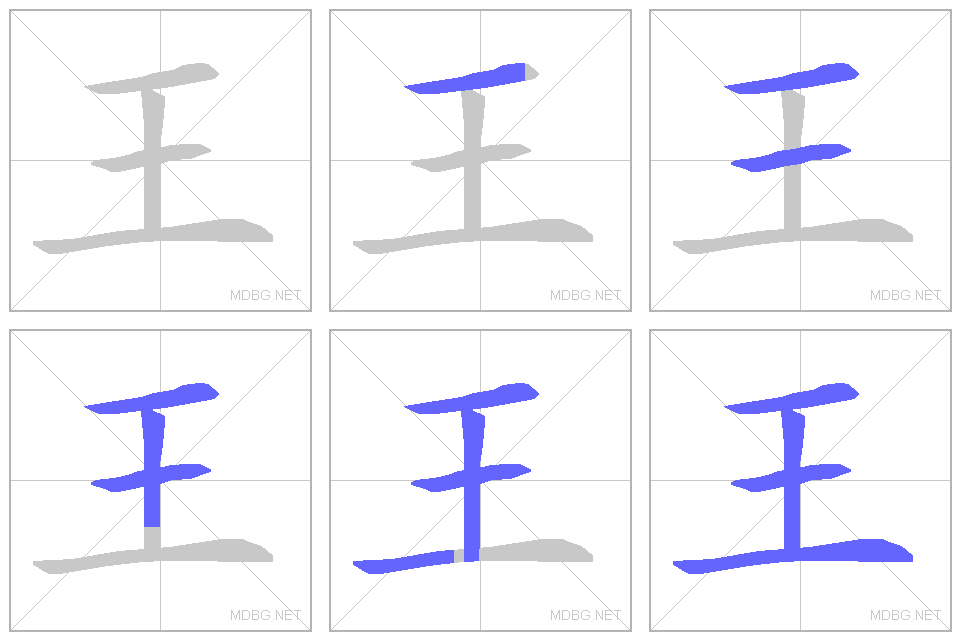
by Pacharapol Withayasakpunt遐邇一體,率賓歸王。
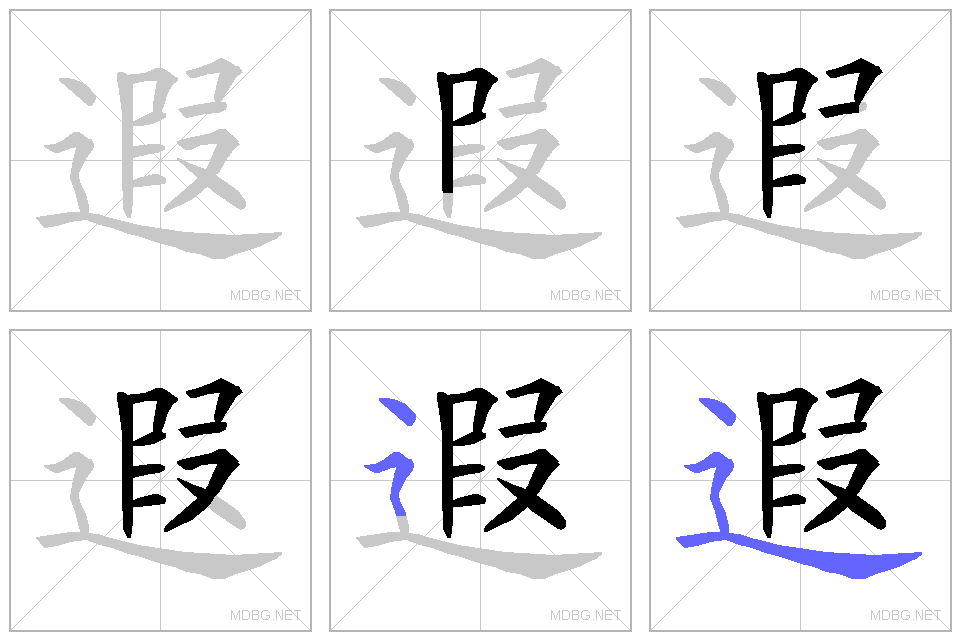
邇


| 遐想 | xiáxiǎng | reverie / daydream / to be lost in wild and fanciful thoughts |
| 闻名遐迩 (聞名遐邇) | wénmíngxiá'ěr | to be famous far and wide (idiom) |
| 遐 | xiá | distant / long-lasting / to abandon |
| 遐思 | xiásī | to fancy from afar / reverie / wild and fanciful thoughts |
| 遐迩 (遐邇) | xiá'ěr | near and far / far and wide |
| 遐举 (遐舉) | xiájǔ | to go a long way away |
| 遐龄 (遐齡) | xiálíng | advanced age / longevity / long life |
| 遐迩闻名 (遐邇聞名) | xiá'ěrwénmíng | famous everywhere |
| 遐福 | xiáfú | great and lasting happiness / lasting blessings |
| 室迩人遐 (室邇人遐) | shì'ěrrénxiá | to long for sb far away / to grieve over the dead |
| 迩 (邇) | ěr | recently / near / close |
| 遐迩一体 (遐邇一體) | xiá'ěryītǐ | both near and distant treated alike (idiom) |
| 名驰遐迩 (名馳遐邇) | míngchíxiá'ěr | To have one's fame spread far and wide. (idiom) |
| 遐迩皆知 (遐邇皆知) | xiá'ěrjiēzhī | well-known far and near (idiom) |
| 体育 (體育) | tǐyù | sports / physical education |
| 体验 (體驗) | tǐyàn | to experience for oneself |
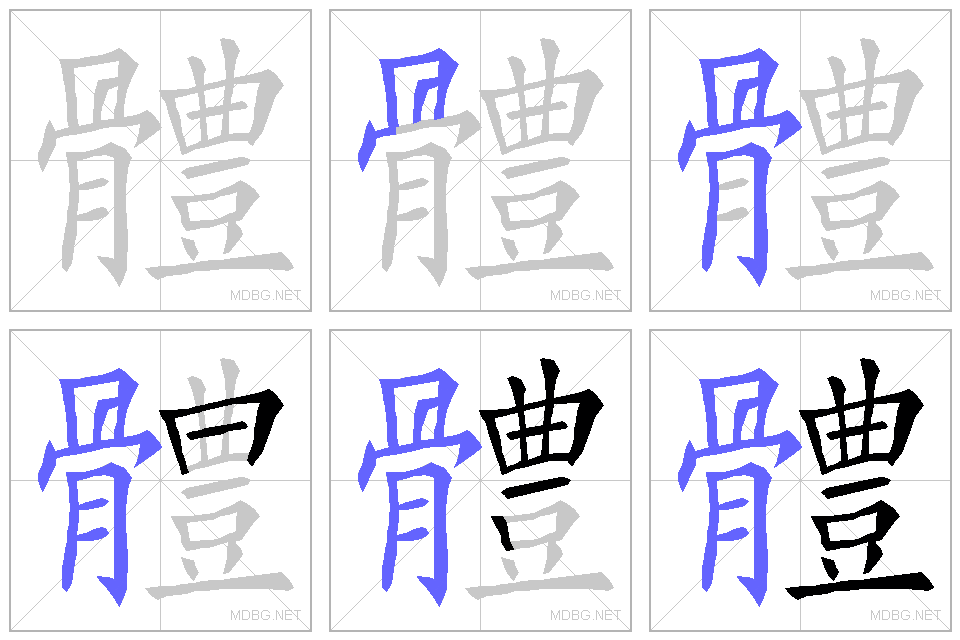
| 繁体 (繁體) | fántǐ | traditional form of Chinese, as opposed to simplified form 簡體|简体 |
| 整体 (整體) | zhěngtǐ | whole entity / entire body / synthesis / as a whole (situation, construction, team etc) / global / macrocosm / integral / holistic / whole |
| 简体 (簡體) | jiǎntǐ | simplified form of Chinese characters, as opposed to traditional form 繁體|繁体 |
| 体 (體) | tǐ | body / form / style / system / substance / to experience / aspect (linguistics) |
| 媒体 (媒體) | méitǐ | media, esp. news media |
| 体系 (體系) | tǐxì | system / setup / CL: 個|个 |
| 效率 | xiàolǜ | efficiency |
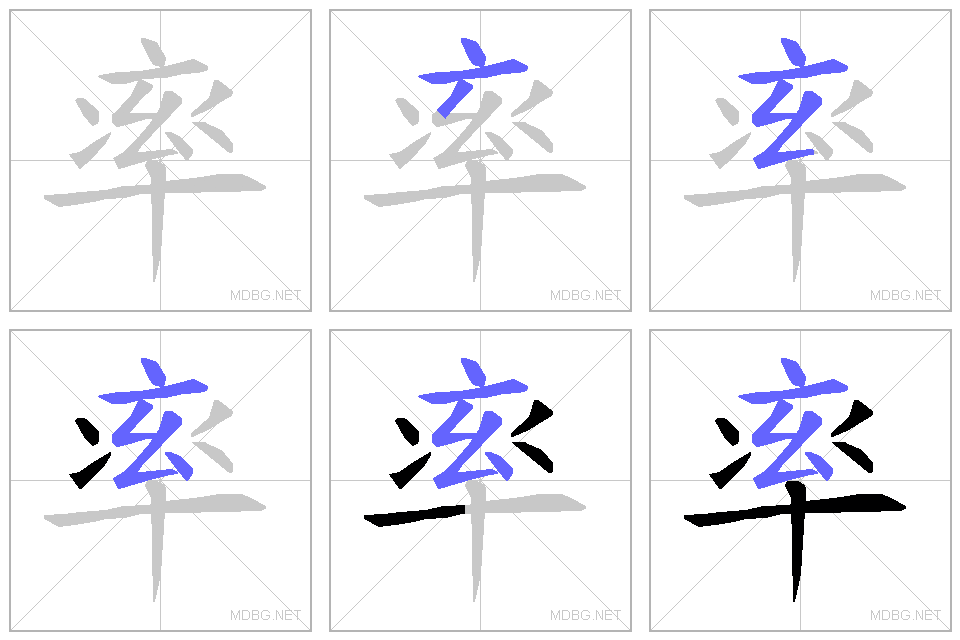
| 率 | lǜ | rate / frequency |
| 率 | shuài | to lead / to command / rash / hasty / frank / straightforward / generally / usually |
| 市盈率 | shìyínglǜ | PE ratio |
| 分辨率 | fēnbiànlǜ | resolution (of images, monitors, scanners etc) |
| 功率 | gōnglǜ | rate of work / power (output) |
| 利率 | lìlǜ | interest rates |
| 概率 | gàilǜ | probability (math.) |
| 频率 (頻率) | pínlǜ | frequency |
| 汇率 (匯率) | huìlǜ | exchange rate |
| 比率 | bǐlǜ | ratio / rate / percentage |
| 嘉宾 (嘉賓) | jiābīn | esteemed guest / honored guest / guest (on a show) |
| 宾馆 (賓館) | bīnguǎn | guesthouse / lodge / hotel / CL: 個|个, 家 |
| 来宾 (來賓) | láibīn | guest / visitor |
| 菲律宾 (菲律賓) | Fēilǜbīn | the Philippines |
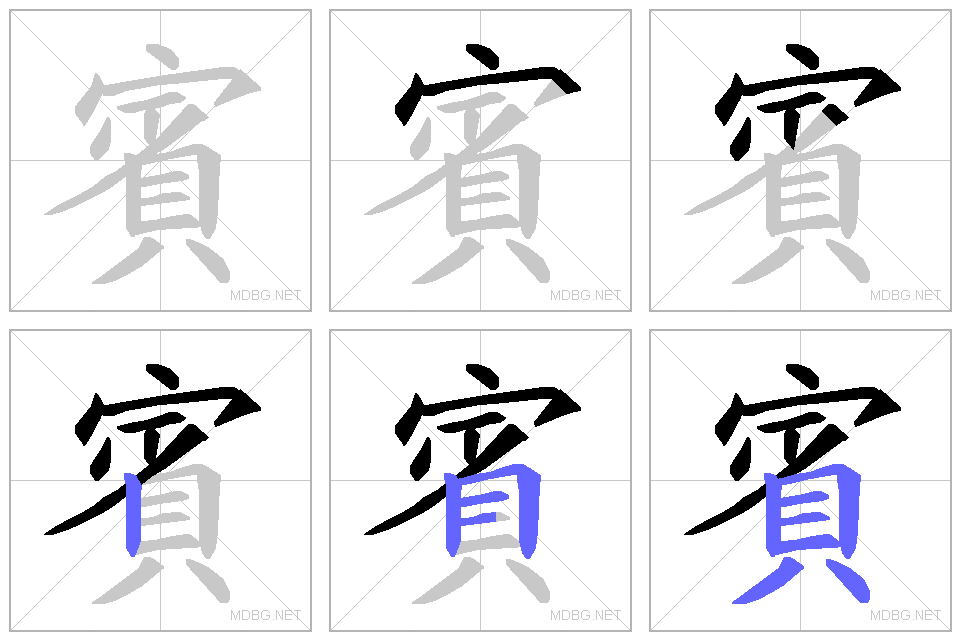
| 宾 (賓) | bīn | visitor / guest / object (in grammar) |
| 贵宾 (貴賓) | guìbīn | honored guest / distinguished guest / VIP |
| 宾语 (賓語) | bīnyǔ | object (grammar) |
| 宾客 (賓客) | bīnkè | guests / visitors |
| 迎宾 (迎賓) | yíngbīn | to welcome a guest / to entertain a customer (of prostitute) |
| 归 (歸) | guī | to return / to go back to / to give back to / (of a responsibility) to be taken care of by / to belong to / to gather together / (used between two identical verbs) despite / to marry (of a woman) (old) / division on the abacus with a one-digit divisor |
| 回归 (回歸) | huíguī | to return to / to retreat / regression (statistics) |
| 归档 (歸檔) | guīdàng | to file away / to place on file |
| 归属 (歸屬) | guīshǔ | to belong to / to be affiliated to / to fall under the jurisdiction of / a place where one feels that one belongs / one's final destination (where one need look no further) |
| 海归 (海歸) | hǎiguī | sb who has come back to China after gaining overseas experience (a pun on 海龜|海龟) / to return to China after a period of study or work overseas |
| 归纳 (歸納) | guīnà | to sum up / to summarize / to conclude from facts / induction (method of deduction in logic) |
| 归口 (歸口) | guīkǒu | to return to one's original trade / to put (a business etc) under the administration of the relevant central authority / (the) relevant (department in charge of sth) |
| 归类 (歸類) | guīlèi | to classify / to categorize |
| 王子 | wángzǐ | prince / son of a king |
| 海贼王 (海賊王) | Hǎizéiwáng | One Piece (manga and anime) |
| 王牌 | wángpái | trump card |
| 霸王 | bàwáng | hegemon / overlord / despot |
| 大王 | dàwáng | king / magnate / person having expert skill in something |
| 大王 | dàiwang | robber baron (in opera, old stories) / magnate |
| 女王 | nǚwáng | queen |